Independent expertise in Organic Petrology and Carbon Materials
Turning coal, carbon, and organic-matter analyses into into confident technical decisons.
CarbonMat evaluates petrographic, mineral, and microstructural evidence to explain why materials behave the way they do.
We interpret data and deliver actionable insights for mining operations, carbon materials development, and research programs.
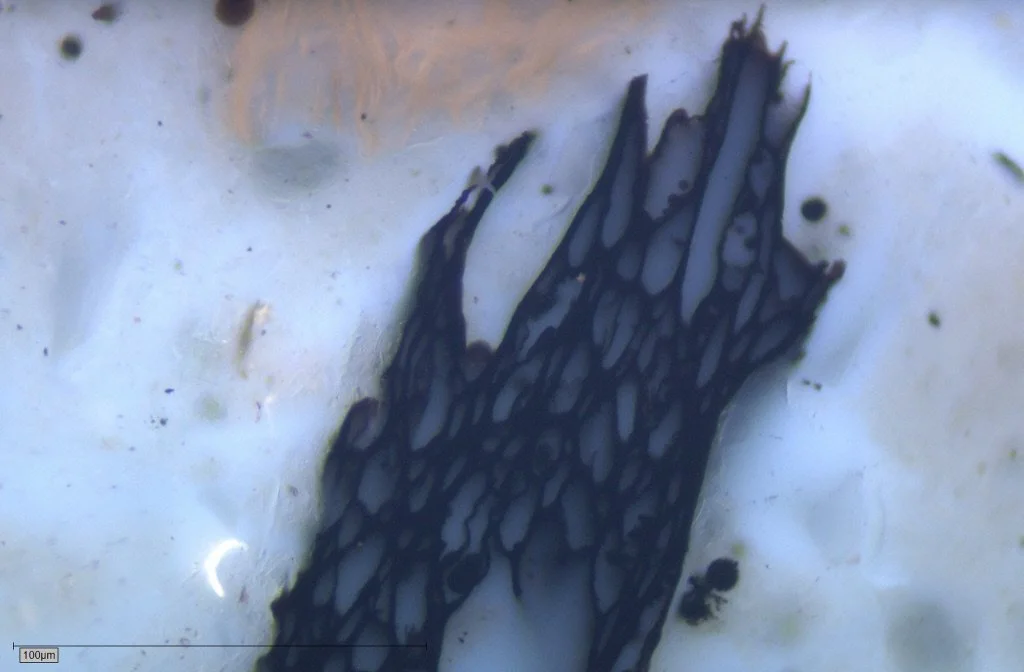
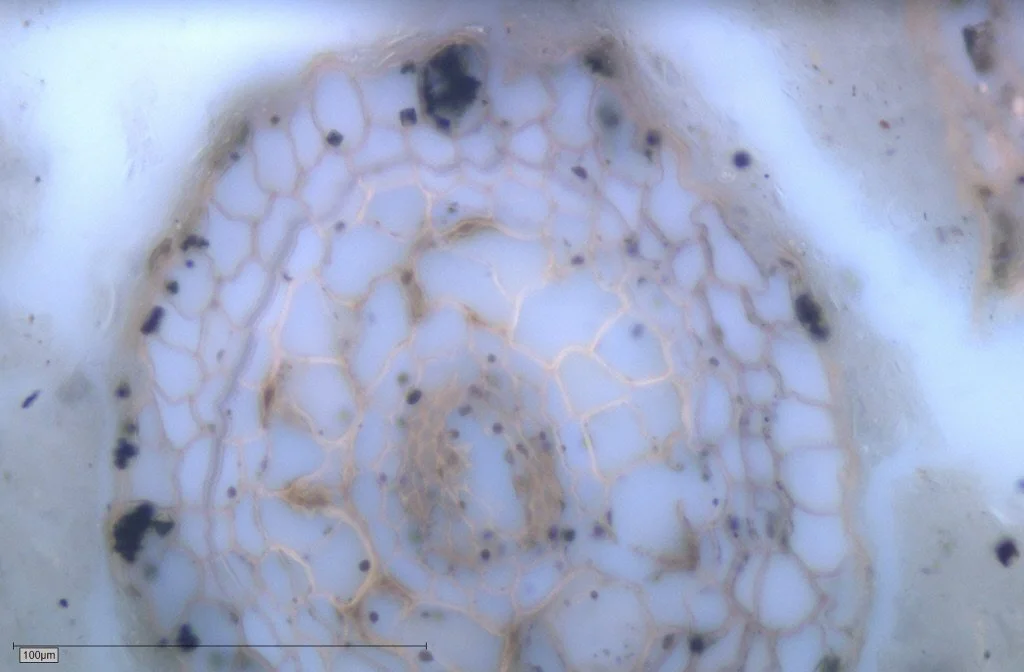
Fusinite (soil organic carbon) preserved in recent sediments, likely derived from forest fire activity.
Industries & Applications
Coal & Mining
Coal is not uniform.
Maceral composition, rank variation, oxidation, and mineral associations can drive unexpected ash, coking behaviour, or blend instability.
CarbonMat interprets microstructure to identify the causes and implications of these deviations.
→ Typical outcomes:
resource evaluation • blending guidance • metallurgical performance analysis
Carbon Materials & Graphite
Battery precursors, electrodes, and high-temperature carbons depend on microstructural pathways.
Raman and XRD alone cannot distinguish turbostratic disorder from true graphitisation.
CarbonMat evaluates structure in context to determine suitability and process potential.
→ Typical outcomes:
graphitisation assessment • structural metrics • recommendations for processing routes
Petroleum & Gas Resources
DOM, solid bitumen, mineral paragenesis and thermal history record hydrocarbon generation.
Bulk geochemistry not always explains spatial variability or reservoir performance.
CarbonMat examines the evidence directly to clarify fluid evolution and preservation pathways.
→ Typical outcomes:
maturation interpretation • fluid/thermal events • reservoir quality insights

What We Do
Interpret material behaviour
We examine coal, dispersed organic matter, and carbon materials to understand why they behave, degrade, or transform in specific ways.
Instead of isolated measurements, we integrate petrography, spectroscopy, and mineral relationships to identify the drivers behind performance or variability.
Clarify ambiguous datasets
When bulk chemistry, Raman/FTIR, or reflectance results appear inconsistent, CarbonMat resolves the conflict by analysing microstructure, context, and geological or process history.
We determine what the numbers mean, not just what they are.
Deliver decision-ready interpretation
Our reports present the evidence, the interpretation, and its implications for:
Resource evaluation,
Processing or beneficiation
Carbon materials development
Research outcomes
Transfer expertise where it matters
CarbonMat offers targeted training and workshops for professionals and research groups who require practical competence in petrography, coal characterisation, or carbon materials.
These sessions focus on how to interpret analytical evidence, avoid common pitfalls, and apply findings to operational or scientific contexts.
How We Work
1. Context & questions
You share your objectives, available data, and material type.
(Email, report, or sample list.)
2. Analytical pathway
We determine the most effective methodology and interpretive approach:
petrography, spectroscopy, mineral associations, or integrated analysis.
3. Interpretation
We examine the evidence, identify the drivers of behaviour, and assess implications for performance, processing, or research.
4. Deliverables
You receive clear conclusions supported by data and figures.
Recommendations focus on practical next steps — not generic summaries.
Materials We Analyse