Science at Work
Science at Work: Looking Beyond the Numbers
Coal quality data often arrive as numbers in an Excel spreadsheet: ash yield, volatile matter, vitrinite reflectance, swelling index, fluidity, phosphorus, sulfur and many others. These values are used every day to describe coal, compare seams, monitor production and support decisions about processing and utilisation.
But what do the numbers actually mean?
Science at Work explores the techniques and parameters used to evaluate coal quality. Each article will focus on a particular test or coal property: what is measured, how the result is obtained, what controls it and, importantly, what the result can and cannot tell us about the coal.
A laboratory result does not exist in isolation. It reflects the composition and geological history of the coal, but it can also be influenced by sampling, preparation, storage, analytical procedures and the limitations of the method itself. Understanding these factors is essential when interpreting changes between samples, identifying unusual results or deciding whether different datasets are genuinely comparable.
The series is intended particularly for young professionals and mining geologists who work with coal quality data but may not have had the opportunity to study the analytical methods behind them. It is also for students, laboratory professionals and anyone who wants to understand more than the value reported in a spreadsheet.
The aim is not simply to explain how a test is performed. It is to connect the measurement with the coal: its rank, type, grade, geological setting and behaviour during processing and utilisation.
Because behind every number is a method, a material and a scientific explanation. That is Science at Work.
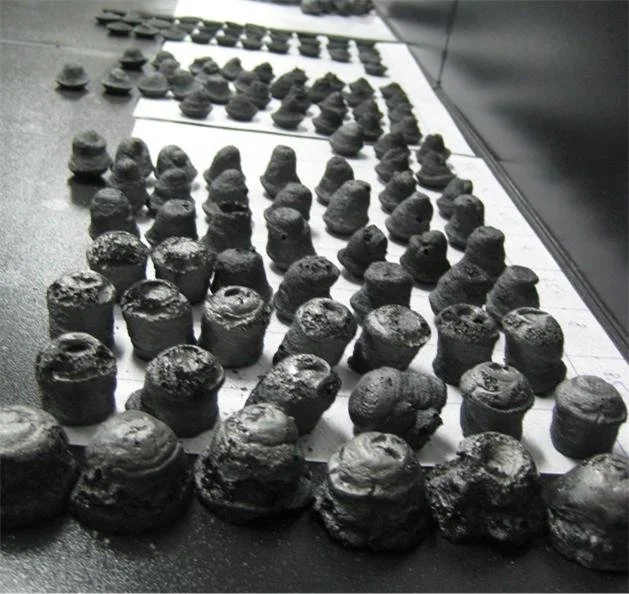
Science at Work – 01 – Swelling Index
What does a simple swelling test reveal, and conceal, about coal behaviour? (photo credit Joan Esterle)